
Investing in Lab-Based Training for CMT Technicians
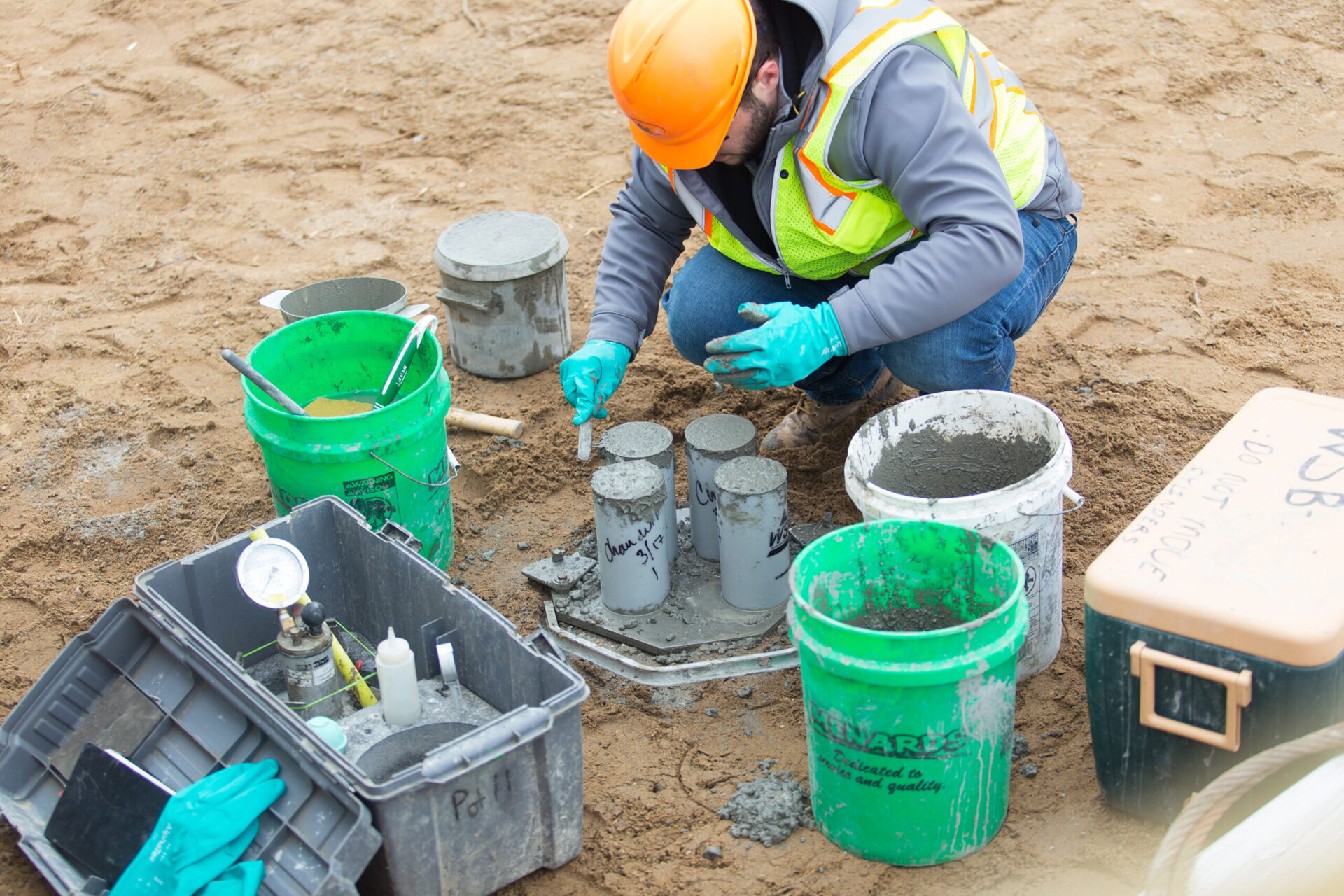
In the Construction and Engineering Industry, Precision Starts in the Lab
At Diaz-Murphy & Associates (DMA), every successful construction materials testing (CMT services) project begins with laboratory-based learning. By prioritizing hands-on lab training, DMA ensures that CMT-certified technicians acquire comprehensive knowledge of materials, equipment, and quality control processes before engaging in field inspections, FDOT projects, or CEI services.
The Role of Lab Training in Field Readiness
Laboratory training provides technicians with critical experience in concrete testing services, asphalt testing, soil testing services, and certified welding inspections. Controlled practice allows repeated execution, error recognition, and mastery of protocols, ensuring field inspection services and structural inspections are performed accurately and confidently. While construction sites are inherently unpredictable, well-prepared technicians approach each assignment with technical rigor, knowledge, and situational awareness.
Building Knowledge and Accountability
DMA positions learning as a continuous process that reinforces quality assurance construction and transportation infrastructure testing. Lab-based instruction equips technicians to make precise judgments in materials testing and inspection, strengthens FDOT materials compliance, enhances CEI service efficiency, and ensures actionable insights for clients. Knowledge-driven practices foster accountability and elevate industry standards.
Integrating Training with Smart Infrastructure Practices
Lab-based learning extends beyond technical skills to analytical thinking and familiarity with emerging technologies. Technicians trained in simulations are better prepared to contribute to smart cities infrastructure projects and sustainable construction materials initiatives. Embedding smart infrastructure concepts into laboratory instruction cultivates professionals who anticipate challenges, adapt to complex projects, and advance the future of construction engineering services.
From Lab to Field: Ensuring Operational Excellence
The transition from laboratory to field application is essential. DMA’s CMT-certified technicians carry laboratory precision into the dynamic conditions of construction sites. Every inspection, whether in asphalt, concrete, or geotechnical work, reflects the preparation emphasized in the lab. This disciplined approach enhances reliability, reduces errors, and elevates quality control standards across projects.
DMA’s Commitment to Knowledge-Driven Construction Materials Testing
Through investment in lab-based training, DMA demonstrates how minority-owned and DBE-certified engineering firms can lead the construction materials testing sector. Knowledge is a continuous cycle of learning, practice, and application, ensuring projects are completed smarter, safer, and more resilient.
Engage with DMA
How does your organization prioritize training and readiness for construction materials testing and inspection services? DMA invites peers, clients, and stakeholders to connect with the team, explore innovative approaches, and discuss strategies for elevating standards in lab testing, field inspection services, and transportation infrastructure projects.
Stay Informed with the DMA Digest
Subscribe to the DMA Digest to receive timely insights from the Trailblazer Lab, including thought leadership on construction services, CMT services, inspection services, lab testing for construction, and transportation infrastructure testing. Learn how DMA’s knowledge-driven approach is shaping the future of construction engineering.